






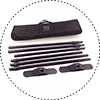





A property can be ready to show by Friday afternoon, but without visible, coordinated signage, the listing can still feel invisible from the sidewalk. The best real estate sign packages give NYC agents a practical mix of property signs, directional pieces, open house messaging, and personal branding that can be deployed quickly across busy blocks, lobbies, and building entrances.
For a single listing, a basic sign may be enough. For an active agent, team, or brokerage handling multiple properties, a package saves time and keeps every showing looking consistent. The right setup depends on the property type, the neighborhood, building rules, and how long the signs need to stay in use.
What Makes a Real Estate Sign Package Worth Buying?
A package should solve more than one visibility problem. Your primary sign identifies the property or agent. Directional signs guide visitors from the closest corner, subway exit, or parking area. Open house signs create urgency on showing day. Rider panels add the details that change from listing to listing, such as “For Rent,” “Open House,” “Contract Signed,” or a phone number.
The strongest packages also separate reusable hardware from changeable graphics. That matters when your contact information and brokerage identity stay the same, but each property needs a different price point, listing address, or call to action. Rather than ordering a full set from scratch every time, you can keep durable frames, stakes, sign holders, and banner stands ready while replacing only the printed panels.
In New York City, portability is another major factor. Agents often carry materials in a car, rideshare, or elevator rather than leaving them in place for weeks. Folding A-frame signs, lightweight rigid panels, retractable displays, and compact directional signs can make setup less complicated when time is tight.
Best Real Estate Sign Packages by Use Case
There is no one-size-fits-all package. A suburban sales office with lawn space needs different hardware than a Manhattan rental agent working around doormen, sidewalks, and strict building policies.
1. The Essential Listing Package
This is the right starting point for individual agents and smaller brokerages that need professional coverage without overbuying. It typically includes one primary property sign, two or three directional signs, and interchangeable riders for status updates or open house times.
Use rigid sign panels for the main message. Coroplast is lightweight and cost-effective for temporary listings, while PVC and aluminum composite panels offer a more finished appearance and greater durability. If the sign will be exposed to rain, wind, or repeated handling, a sturdier substrate is usually worth the added cost.
For directions, keep the message large: arrows, “Open House,” “For Sale,” or “For Rent.” A directional sign is not the place for a long property description. Drivers and pedestrians should understand it in a second.
2. The Open House Package
Open houses need more than a sign at the door. Visitors may be unfamiliar with the block, unsure which entrance to use, or distracted by surrounding storefronts and traffic. An open house package should create a clear visual path from the nearest high-traffic point to the property.
A useful setup includes an A-frame sign for the sidewalk, several arrow signs, window posters, and a branded retractable banner for the lobby or unit entrance. Add a table throw if you will have a check-in station with property sheets, financing information, or neighborhood materials.
This package works especially well for new development previews, luxury showings, and broker events. The retractable banner gives the presentation a more organized look indoors, while the A-frame and directional signs handle wayfinding outside. Before placing any sidewalk display, confirm building and local placement rules. Visibility is valuable, but a sign that must be removed mid-event is not a good investment.
3. The Rental and Leasing Package
Rental turnover moves fast. A leasing package should be easy to update, easy to carry, and designed for repeated use across multiple units or buildings. Instead of printing a different large sign for every apartment, invest in branded reusable hardware and smaller replaceable panels.
A practical set can include window decals, rigid “Available” signs, open house riders, directional arrows, and a retractable banner for a leasing office or building lobby. Window graphics are particularly useful where exterior lawn signs are not an option. They can display a phone number, QR code, leasing message, or unit availability without blocking too much natural light.
Keep the contact method simple. A QR code can help prospects access current availability, but it should support, not replace, a readable phone number or web address. Many renters will notice the sign while walking past and may not stop to scan it immediately.
4. The Agent Branding Package
Listings come and go. Your brand should remain recognizable. This package is built around reusable name recognition: a branded open house sign, agent photo panel, directional signs, table cover, retractable banner, and vehicle or window decals where appropriate.
This is a strong option for agents who host frequent open houses, sponsor local events, or work a concentrated neighborhood. Consistent colors, typefaces, and headshots make it easier for repeat prospects to identify your materials. The goal is not decoration. It is fast recognition when someone sees your sign for the second or third time.
For teams, consider a design system rather than one fixed sign. Keep the brokerage logo and core layout consistent, then create interchangeable name panels or riders for each agent. That approach prevents mismatched signage while allowing each team member to promote direct contact information.
5. The New Development Package
New development marketing usually requires a larger visual footprint. Sales centers, model units, street-facing windows, broker previews, and launch events all create different signage needs. A package may combine large vinyl banners, window graphics, mounted rigid signs, step-and-repeat backdrops, retractable banners, and branded table covers.
This is where scale and installation planning matter. A large banner can deliver high visibility from across the street, but only if the location, mounting method, and viewing distance are considered before production. A beautiful design with small text will not work on a building facade. For exterior banners, prioritize the development name, a short call to action, and a readable contact point.
Choose Materials Based on Placement, Not Just Price
The cheapest sign is not always the best value. A temporary weekend open house may only need a coroplast panel and folding A-frame. A sign used repeatedly through a season needs materials that can withstand handling, weather, and storage.
Coroplast is light, economical, and useful for short-term directional signs. PVC has a smoother, more substantial look for indoor or protected applications. Aluminum composite is more rigid and weather-resistant for long-running exterior use. Vinyl banners work well for fences, facades, and wide-format messaging, while adhesive vinyl is a practical choice for windows, doors, and walls.
Hardware matters just as much as the printed graphic. Ask whether stakes, frames, grommets, riders, or weighted bases are included. A package that looks less expensive at first may require separate accessories before it is usable on site.
Design Rules That Help Signs Get Seen
Real estate signage has a short job: identify, direct, and prompt action. Crowded layouts slow people down. Use one main message per sign, high contrast between text and background, and a large phone number or QR code that can be used from a reasonable distance.
Property photography can be effective on window posters and larger banners, but it should not overpower the key message. On a directional sign, an arrow and “Open House” are more useful than an exterior photo. On a primary listing sign, the brokerage name, agent identity, property status, and contact method should be immediately visible.
Avoid relying on thin fonts, pale color combinations, or tiny legal copy. New York streets are visually busy, and your sign competes with traffic, storefronts, parked vehicles, construction barriers, and other ads. Clear beats clever.
Plan for Tight Turnarounds
Real estate deadlines are often set by listings, inspections, showings, and weekend events rather than by production schedules. When ordering on a short timeline, prepare the essentials before sending files: final dimensions, quantity, artwork, contact details, hardware requirements, and the exact date you need the signs.
If your design is still being finalized, choose standard sign sizes and reusable formats first. That reduces the risk of needing a last-minute redesign because a layout does not fit the selected hardware. For NYC agents who need quick local production, Print Banners NYC can help match graphics, rigid signs, banners, and display hardware to the event or property setup.
The best package is the one your team can set up confidently, carry without hassle, and reuse after the showing ends. Start with the places prospects actually make decisions - the corner, the entrance, the lobby, and the check-in table - then build your signage around those moments.