











When your booth has to look sharp by tomorrow morning, display choice stops being a branding exercise and becomes a logistics decision. That is exactly why so many buyers searching for seg fabric displays nyc are looking for more than a nice-looking backdrop. They need a display that packs clean, installs fast, photographs well, and holds up under New York event pressure.
SEG fabric displays are built for that kind of job. The graphic is printed on fabric with a silicone edge that tucks into a frame channel, creating a taut, smooth face without visible wrinkles or loose corners. For trade shows, retail pop-ups, lobbies, step-in photo areas, and branded activations, that finish matters. It gives you the polished look of a custom build without the bulk and setup time that usually come with rigid scenic pieces.
Why SEG fabric displays work in NYC
New York events rarely give you generous setup windows. Freight timing shifts, union rules can apply, elevators are booked, and venues want load-in done fast. A display system that takes extra tools, extra hands, or extra correction on site can cost you more than the hardware itself.
SEG fabric displays fit the city better than many traditional options because they are portable, lightweight, and repeatable. Once the frame is assembled, the fabric graphic presses into place quickly. If your team has used the system before, setup can move fast enough for hotel ballrooms, convention halls, retail launches, and office events where every minute counts.
The visual payoff is another reason these displays have become a common choice. In a crowded exhibit hall, a smooth edge-to-edge graphic reads cleaner than a banner with grommets or a panel system with visible seams. That difference may sound small on paper, but on a trade show floor it changes how professional your brand looks from ten feet away.
Where seg fabric displays nyc make the most sense
Not every display format fits every job. SEG works best when the goal is high visual impact with a neat, structured presentation.
Trade show booths are the most obvious use case. Back walls, side walls, counters, and lightbox faces all benefit from fabric graphics that stay tight in the frame. If your team exhibits often, this matters even more because replacement graphics are easier to swap than rebuilding a custom set.
Retail environments are another strong fit. Seasonal promotions, product launches, showroom branding, and window-adjacent displays often need to look premium without becoming permanent fixtures. SEG systems give stores a way to refresh messaging while keeping the hardware in place.
Corporate interiors also use this format well. Reception areas, branded conference spaces, media walls, and recruiting events benefit from displays that look finished rather than temporary. For short-term events inside office buildings, portability is a major advantage because large rigid signage can be harder to move through elevators and hallways.
For experiential marketing and pop-ups, SEG is a practical middle ground. It feels more refined than a basic banner stand, but it is still manageable for transport and re-use. That makes it a good option for agencies and in-house marketing teams balancing appearance, lead time, and budget.
What to look for in SEG display hardware
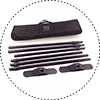
The frame matters as much as the print. If the hardware is weak, the graphic will not sit correctly, corners may gap, and the finished display can look uneven under venue lighting.
Frame thickness should match the job. Slim profiles are useful when space is tight or the display is meant to stay understated. Larger profiles create more presence and can support bigger walls or illuminated applications. The right choice depends on where the display will be used and how often it will travel.
Connection quality matters too. Portable systems need reliable joining points so the frame stays square after repeated assembly. If your booth team is setting up in different venues throughout the year, durable hardware reduces headaches later. A cheaper frame can look acceptable on first use and become frustrating after several events.
Footing and stability are also worth checking. Freestanding SEG walls need the right base support, especially in busy public settings. In some layouts, wider feet are worth the extra floor space because they help the structure stay stable during traffic-heavy events.
If you are considering backlit SEG displays, the standards are even higher. Lightboxes require consistent illumination, graphic density that works with lighting, and frame construction that avoids hotspots or shadows. The result can look excellent, but only if the hardware and print are matched correctly.
Print quality is what customers notice first
Buyers often focus on frame size and shipping, but attendees notice the print first. Color accuracy, image resolution, and fabric finish all affect whether the display feels premium or rushed.
Large-format graphics need artwork prepared for viewing distance and scale. A file that looks fine on a laptop can fall apart when stretched across an eight-foot wall. Photos need enough resolution, logos need to stay crisp, and background tones have to print evenly. This is especially important for brands using solid fields of color, subtle gradients, or close-up product imagery.
Fabric choice also plays a role. The material needs enough body to stay smooth once installed, but it also needs to fold and transport well if the display will be reused. Some applications call for standard frontlit fabric, while others need material better suited to illuminated frames.
A practical point that often gets missed is color consistency across multiple pieces. If you are building out a booth with a back wall, podium wrap, and side graphics, those pieces should look like they belong together. Matching output across a display package is part of making the final setup read as a complete environment instead of separate printed items.
Fast turnaround without bad surprises
Speed matters, but speed without file review and production control can create expensive problems. In New York, many display orders are placed on short notice, sometimes because another vendor missed a deadline or because event details changed late. That does not leave room for vague specs.
For urgent SEG jobs, clear dimensions are critical. Frame size, visible graphic area, bleed, and edge finishing all need to be correct before production starts. A small measuring mistake can make a fabric print unusable, and unlike a basic banner, SEG graphics depend on precise fit.
This is where working with a local production partner helps. If timing is tight, local communication, local pickup, and local problem-solving can be the difference between making setup and scrambling on site. Print Banners NYC serves that type of order every day, where speed is important but accuracy is what keeps the event on track.
Same-day or rush production can absolutely make sense for SEG displays, but it depends on the hardware in stock, file readiness, and whether you need print only or a full display package. If the artwork is approved and the format is standard, turnaround is much easier to manage than if changes keep happening late in the day.
SEG displays vs other common event graphics
If you are comparing options, SEG is not automatically the right answer every time. Retractable banner stands are cheaper, faster for very small footprints, and easier for one person to carry. Vinyl banners are more flexible for short-term promotions and outdoor use. Rigid signs can be better when you need a hard surface or direct mounting.
SEG stands out when presentation quality is the priority and the setting is indoors. It gives you cleaner tension, better structure, and a more finished look than many entry-level display formats. The trade-off is that it usually costs more upfront than basic banner hardware and requires accurate setup.
For repeat exhibitors, that extra cost often pays off because the system looks stronger over time and allows graphic updates without replacing the full display. For one-off events with minimal budget, a simpler format may be the smarter move. It depends on how often you will reuse the hardware and how polished the environment needs to be.
How to order the right SEG fabric display in NYC
Start with the use case, not just the size. A trade show back wall, a retail feature, and a lobby graphic may all use SEG, but they do not need the same frame profile or base support. Think about location, setup frequency, lighting, transport, and whether the graphic will change later.
Next, confirm the artwork status. If the design is ready, production can move faster. If the file still needs revisions, build that into your timeline because proofing delays are common on rush projects. Also decide early whether you need one-sided or double-sided graphics, standard or backlit print, and hardware only, print only, or a full kit.
Finally, plan for the real event conditions. Measure access points, check venue rules, and think about who is actually assembling the display. The best-looking system on paper is not the best option if your team has to carry it up a narrow freight path and install it in a twenty-minute window.
A good SEG display does two jobs at once. It presents your brand clearly, and it makes setup easier when the day is already moving too fast. If you are ordering for an upcoming event, retail push, or booth refresh, choose the format that will still make sense when deadlines get tight and the floor opens anyway.