











A red carpet photo line can look polished or thrown together in about five seconds. That is why step and repeat backdrop printing matters more than most event teams expect. If the backdrop is too small, poorly lit, wrinkled, or printed at the wrong scale, every photo shows it.
For New York events, that problem gets bigger fast. Venues are tighter, schedules move faster, and there is usually no extra hour to fix production mistakes on site. A step and repeat backdrop needs to do one job well - put your logo, sponsor marks, or event branding behind every guest, speaker, or attendee in a way that reads clearly on camera.
What step and repeat backdrop printing is for
A step and repeat backdrop is a printed display where logos or branded elements repeat in a pattern across the full background. You see them at media walls, grand openings, trade shows, nonprofit galas, press events, store launches, school functions, and corporate activations.
The purpose is simple. It gives photographers and attendees a branded background for pictures while keeping the look consistent across hundreds of shots. It also helps sponsors get visibility without needing separate signage all over the room.
That sounds straightforward, but the details matter. The right backdrop has to match the venue footprint, camera distance, lighting conditions, and the number of people expected in each photo. A backdrop for a single speaker is different from one meant for group shots or a steady stream of guests.
Choosing the right size for step and repeat backdrop printing
Size is usually the first decision, and it affects everything else. A common setup is 8 feet high by 8 feet wide because it fits many event spaces and works for one to three people in a photo. For larger group shots, wider options such as 8 feet by 10 feet are often a better fit.
If the backdrop is going behind a registration area or inside a booth, the available width may be limited. In those cases, the better move is not always to force a standard size. It may make more sense to scale the print to the actual footprint so the display looks intentional instead of cramped.
Ceiling height also matters. In some NYC venues, especially older buildings, load-ins and ballroom setups come with low-clearance constraints. A tall backdrop may look great in a mockup and still be a poor fit once you factor in hardware height, top crossbar placement, and room access.
Material matters more than people think
The print material affects how the backdrop photographs, travels, and hangs. Vinyl is a common option because it is durable, cost-effective, and works well for many event uses. It is a practical choice when you need strong color and a surface that can handle transport and repeated setup.
Fabric is often preferred when reducing glare is a priority. Under strong lights or flash photography, fabric can photograph more softly than gloss-heavy materials. It also tends to look cleaner when stretched properly on the frame.
There is no single best choice for every event. If budget and durability are the top concerns, vinyl often makes sense. If the event is more image-sensitive and the backdrop will be heavily photographed, fabric may be worth it. The right answer depends on venue lighting, event length, shipping needs, and how often the display will be reused.
Matte versus gloss finish
For camera-facing displays, matte usually wins. Gloss can make colors pop, but it can also create reflections that interfere with logo visibility in photos. That trade-off is not always worth it for a step and repeat.
A matte finish helps keep the branding readable from different camera angles. That is especially useful at events where guests are taking phone photos while professional photographers shoot from the front.
Artwork setup that actually works on camera
One of the most common mistakes in step and repeat backdrop printing is artwork that looks fine on a laptop but fails in real use. Logos can be too large, too small, too close together, or placed so low that people block them in photos.
A good repeating layout gives enough spacing for each mark to stay visible around shoulders and heads. It also balances the pattern so the backdrop does not feel empty in one area and crowded in another. Most event backdrops work best when logos are distributed evenly in staggered rows rather than lined up in a rigid grid.
Keep the artwork clean. Use vector files when possible and avoid screenshots, web images, or compressed assets pulled from old decks. Poor source files become obvious fast on large-format prints.
Color consistency matters too. Sponsor logos often come from different sources, and if one file is RGB, another is low-resolution, and another has the wrong background treatment, the finished wall can look uneven. It is better to standardize files before production than try to correct problems after printing.
How big should logos be?
There is no fixed answer because viewing distance changes by venue. Still, the logos need to be large enough to read in medium-range photos without turning the backdrop into a wall of oversized marks. For most standard media wall sizes, moderate logo sizing works better than pushing each logo too big.
If several sponsors must be included, do not shrink everything until it becomes visual noise. At that point, a wider backdrop or a revised sponsor hierarchy may be the better production choice.
Hardware and setup can make or break the display
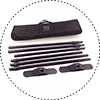
Even a great print looks bad on unstable hardware. The stand needs to hold the backdrop tight, level, and wrinkle-free. Adjustable step and repeat stands are popular because they allow flexibility in width and height, which helps when event specs change.
That said, not all hardware performs the same way. Lightweight stands may be convenient, but they can shift during setup or look less stable in busy event environments. Heavier-duty systems are often a better fit for repeated use, especially for trade shows, hotel ballrooms, and high-traffic activations.
Setup time matters too. If a team is loading in shortly before doors open, the hardware needs to be simple enough to assemble without trial and error. This is one reason local production and fast turnaround matter in NYC. When timing is tight, getting the right print and matching hardware from one source cuts down on last-minute problems.
Where step and repeat backdrops work best
These displays are not limited to celebrity-style photo ops. They work anywhere a business or organization wants repeat brand exposure in event photography.
Retail brands use them for openings and product launches. Real estate teams use them for networking events and press moments. Nonprofits use them for sponsor visibility at galas. Exhibitors use them to create a clean branded photo area inside a booth. Schools, local groups, and corporate departments use them for award ceremonies, donor walls, and branded guest photos.
The common thread is visibility. If people are taking pictures, a step and repeat backdrop can turn those images into branded assets instead of random event snapshots.
Turnaround time and why local production helps
Backdrop orders often happen under deadline pressure. A venue confirms late, sponsors change, artwork updates come in at the last minute, or the event team realizes they need a larger display than originally planned.
That is where local production becomes practical, not just convenient. In a market like New York, same-day or rush capability can save an event that is already in motion. Print Banners NYC serves customers who do not have the luxury of waiting a week for a corrected backdrop to arrive from an out-of-state vendor.
Fast turnaround does not remove the need for good files and clear specs, though. The faster the schedule, the more important it is to confirm the final size, hardware choice, finish, and logo placement before production starts. Rush printing works best when the decision-making is already organized.
Common mistakes to avoid
Most backdrop issues come down to planning gaps, not printing alone. Ordering too small is a frequent problem. So is choosing a material without considering lighting. Another common issue is sending artwork that is technically printable but not designed for repeat pattern visibility.
Teams also underestimate setup conditions. A backdrop may fit the venue on paper and still be difficult to install because of stairs, freight timing, narrow hallways, or uneven floors. In event production, those details are not minor. They affect whether the display looks professional when the first guest arrives.
It also helps to think beyond the backdrop itself. If the area in front of it is poorly lit or blocked by furniture, the display will not do its job no matter how good the print looks. The best results come from treating the backdrop as part of the full photo setup, not a stand-alone graphic.
Getting a better result from your next backdrop
The best step and repeat backdrop printing starts with a simple question: what will this backdrop actually need to do at the event? Once that is clear, the right size, material, artwork, and hardware become easier to choose.
If the backdrop is for press photos, prioritize readability and glare control. If it is for a busy promotional event, focus on durability and fast setup. If it needs to travel and be reused, build around portability and hardware strength.
A well-produced backdrop does not call attention to itself for the wrong reasons. It stays straight, photographs cleanly, and keeps the branding visible in every frame. That is the standard to aim for when the event clock is already running.