











A 10-by-10 booth can disappear fast under trade show lighting. A retail window can lose impact after sunset. When the job calls for clean branding with more visual pull than a standard banner stand, the SEG displays vs lightboxes decision usually comes down to one question: do you need a polished fabric display, illumination, or both?
These formats are often discussed as if they are direct opposites. They are not. An SEG display describes how the graphic fits into its frame. A lightbox describes a display that is lit from within. Many premium lightboxes use SEG fabric graphics, which means the right choice depends on your venue, viewing conditions, budget, setup plan, and deadline.
SEG Displays vs Lightboxes: The Real Difference
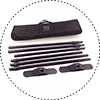
SEG stands for silicone edge graphic. The printed fabric has a narrow silicone strip sewn around its perimeter. That strip presses into a channel in an aluminum frame, stretching the fabric evenly across the face of the display. The result is a smooth, nearly frameless graphic without visible hooks, pole pockets, or loose banner edges.
An SEG display can be non-lit or backlit. Non-lit SEG frames rely on ambient venue lighting and are a strong fit for trade show walls, conference backdrops, office interiors, sponsor activations, and retail presentations where the existing light is already adequate. They provide a clean, high-end appearance while keeping hardware and power requirements straightforward.
A lightbox is any display designed to illuminate the graphic from behind or around the image. Some use SEG fabric, while others use rigid panels, acrylic faces, or backlit film. For event and promotional use, SEG lightboxes are common because the fabric graphic packs down more easily than a rigid face and can be changed when a campaign changes.
So the practical distinction is simple: choose an SEG display for a tension-fabric look and easy graphic replacement; choose a lightbox when brightness is part of the job. Choose an SEG lightbox when you need both.
When a Non-Lit SEG Display Is the Better Buy
A non-lit SEG frame is often the efficient choice for exhibitors who need a professional backdrop without adding electrical planning. It gives a booth or branded area a more finished look than a standard vinyl banner, especially at larger sizes. The fabric face stays taut, photographs well, and avoids the glare that can show up on glossy printed materials.
This format works especially well for daytime events, hotel ballrooms, conference rooms, press backdrops, recruiting events, and indoor trade shows with good overhead lighting. It is also useful when your design relies on clean logos, large type, product images, or a simple brand pattern. Not every message needs to glow to be noticed.
From an operations standpoint, non-lit SEG displays reduce setup variables. There is no outlet to locate, no cable to tape down, no power order to coordinate with the venue, and no concern about whether a booth package includes electricity. For New York pop-ups and short-run events where load-in time is tight, that simplicity can matter as much as appearance.
The trade-off is visibility. In a dim hall, a crowded showroom, or a storefront competing with bright neighboring signs, a non-lit fabric wall may blend into the background. Its print quality can be excellent, but it will not create its own focal point after ambient light drops.
When a Lightbox Earns Its Space
A lightbox is built for situations where visual competition is high. Internal LED lighting makes colors appear brighter, helps product imagery read from farther away, and gives a display more presence in low-light conditions. That can make a major difference at an expo, evening launch, mall activation, nightlife event, lobby installation, or street-facing retail window.
For trade show exhibitors, a backlit display can help a smaller booth command attention without filling the space with extra signs. One bright branded wall can do the work of several smaller graphics. It is particularly effective for cosmetics, technology, real estate renderings, hospitality, food imagery, fashion, and any campaign with strong photography or color gradients.
Lightboxes also create a more premium visual impression when they are used with purpose. A bright wall behind a reception counter, a product demo area, or a step-and-repeat photo moment gives visitors a clear place to look and gather. For a retail business, internal illumination keeps the message active during darker hours, even when foot traffic is viewing the window from across the street.
The trade-off is added logistics. You need access to power, enough setup time to assemble the frame and connect lighting components, and a plan for cable management. Some venues charge separately for electricity. If the event is outdoors, verify that the location allows powered displays and provides suitable electrical service. A lightbox is not automatically the best choice if the environment cannot support it properly.
Compare the Hardware Before You Compare the Price
The graphic is only one part of the display. Frame depth, overall size, portability, and reusability affect whether the unit makes sense for your schedule and storage situation.
Slim SEG frames are practical when space is limited and the display will sit against a wall. Freestanding frames may need stabilizing feet or a wider base. Larger backlit units are typically deeper because they need room for internal LEDs and proper light distribution. That depth is not a defect - it is part of what helps prevent visible hot spots behind the fabric.
Ask how the unit will travel. A portable frame for recurring expos should break down into manageable sections and fit into a case that your team can move through a hotel, elevator, loading dock, or convention center. A permanent retail installation can prioritize size and appearance over frequent portability.
Graphic replacement is another factor. With SEG systems, you can often keep the aluminum frame and order new fabric graphics for seasonal promotions, new products, changing sponsors, or a refreshed booth message. That makes the hardware more useful over time. If you run multiple campaigns each year, saving the frame can be more economical than replacing complete displays.
Design Files Matter More on Backlit Graphics
A standard print file does not always look the same once light passes through it. Backlit fabric can make pale colors feel brighter and can expose weak contrast in small text. Black areas may appear less dense than they do on a monitor, depending on the artwork, fabric, and lighting system.
Build the design with clear hierarchy. Use a large headline, readable contact information, and images with enough resolution for the final display size. Avoid placing critical details near the outer edge, where frame channels and viewing angles may affect the presentation. If your logo uses fine lines or subtle tones, test how it reads at the distance customers will actually stand.
For non-lit SEG displays, matte fabric helps reduce reflections and keeps photos looking consistent under venue lights. For backlit units, use material intended for illumination rather than treating a standard fabric print as a lightbox graphic. The correct material helps distribute light evenly and supports richer color.
Choose Based on the Job, Not the Product Name
If you need a fast, polished branded wall for a well-lit conference or booth, a non-lit SEG display is often the practical answer. It looks finished, travels well, and removes the need for electrical coordination. If you need the display to stop traffic in a dark or visually crowded environment, a lightbox has a stronger reason to be there.
If you need both a clean edge-to-edge fabric finish and internal lighting, specify an SEG lightbox. This is a common choice for exhibitors who want one major visual centerpiece rather than several smaller signs. It can also be a smart investment for businesses that reuse the hardware with updated graphics across multiple events.
Timing should shape the decision too. Before ordering, confirm the finished size, event date, venue rules, access to power, graphic artwork status, and whether the display must be shipped, carried, or installed locally. Print Banners NYC can help match the display format to a same-day or event-driven production schedule when the details are ready.
The best display is the one that still looks sharp when the doors open. Start with where it will be seen, how it will be powered, and how quickly it has to get from production to the event floor.